On this page:
- The History of Cormyr
- Ancient Elven Foundations
- The Coming of Humans to Cormyr
- The Fall of Netheril (339 BDR)
- Human Refugees and Elven Resistance
- The rise of the orc empire of Vastar around 200 BDR
- The Standing Stone and the Birth of Dalereckoning (1 DR)
- Baerauble Etharr and the Legacy of Netheril
- The Founding of Suzail (6 DR)
- The Elves Withdraw
- The Birth of Cormyrean Magic and the War Wizards
- The Founding of Cormyr (26 DR)
- The Rise of the Great Kings
- Threats on Every Frontier
- Crisis and Triumph in the Late 14th Century
The History of Cormyr
The history of Cormyr is the story of one of the most stable and influential kingdoms in the Forgotten Realms. Founded in 26 DR by the Obarskyr dynasty, Cormyr grew from scattered human settlements into a powerful realm known as the Forest Kingdom and the Land of the Purple Dragon.
By 1372 DR, Cormyr stood as a prosperous but embattled nation, shaped by centuries of expansion, internal intrigue, and external threats. Its legacy is defined by chivalric traditions, powerful noble families, and the enduring strength of the Purple Dragons and War Wizards who defended the realm.
This page explores the major events, rulers, and turning points that shaped Cormyr up to 1372 DR, providing a foundation for understanding its cities, people, and political landscape during this pivotal era.
Ancient Elven Foundations
The Earliest Recorded History of What Would Become Cormyr
The lands that would one day become Cormyr first enter recorded history as the site of one of the great battles of the Crown Wars: the Battle of the Gods’ Theatre. Around 10,750 BDR, the elven empires of Shantel Othreier and Aryvandaar met in battle in what is now the central Tunlands. At the time, Aryvandaar ruled the great forests to the north-west, while Shantel Othreier held the lands to the west and south-west. Their struggle was interrupted by the sudden arrival of an orc horde said to number more than 100,000 warriors. The elves destroyed the horde, but at terrible cost, and both armies were nearly annihilated in the process.
In the years that followed, Aryvandaar overcame Shantel Othreier and took control of the region, only to lose it in turn when Aryvandaar itself was broken in the final convulsions of the Crown Wars, around 9000 BDR.
The Great Forest of Arcorar
In those ancient ages, the lands east of the Storm Horns were buried beneath one vast forest that stretched from the Lake of Dragons to the Dragon Reach, then north beyond the Moonsea as far as the White Peaks. This immense woodland bore several names over the ages, but after the fall of the dark elves from grace and their transformation into the drow, it came to be known as Arcorar, the Great King Forest. It was also the home of Elven Court, the sacred assembly through which Corellon’s will was said to speak in the mortal world.
When Aryvandaar broke the peace by invading Illefarn, it was Elven Court that condemned them, helping bring about Aryvandaar’s downfall. In the aftermath, Arcorar became home to several elven realms, among them Rystall Wood, Jhyrennstar, Uvaeren, and Semberholme. Great settlements were founded in this age, including Yrlaancel in 8130 BDR. Later, Uvaeren was destroyed in 5000 BDR by a devastating meteor storm. A thousand years after that, in 4000 BDR, Elven Court, Semberholme, and Jhyrennstar united to form the great empire of Cormanthyr, with its capital at Cormanthor City.
Lythtlorn and the Wolf Woods
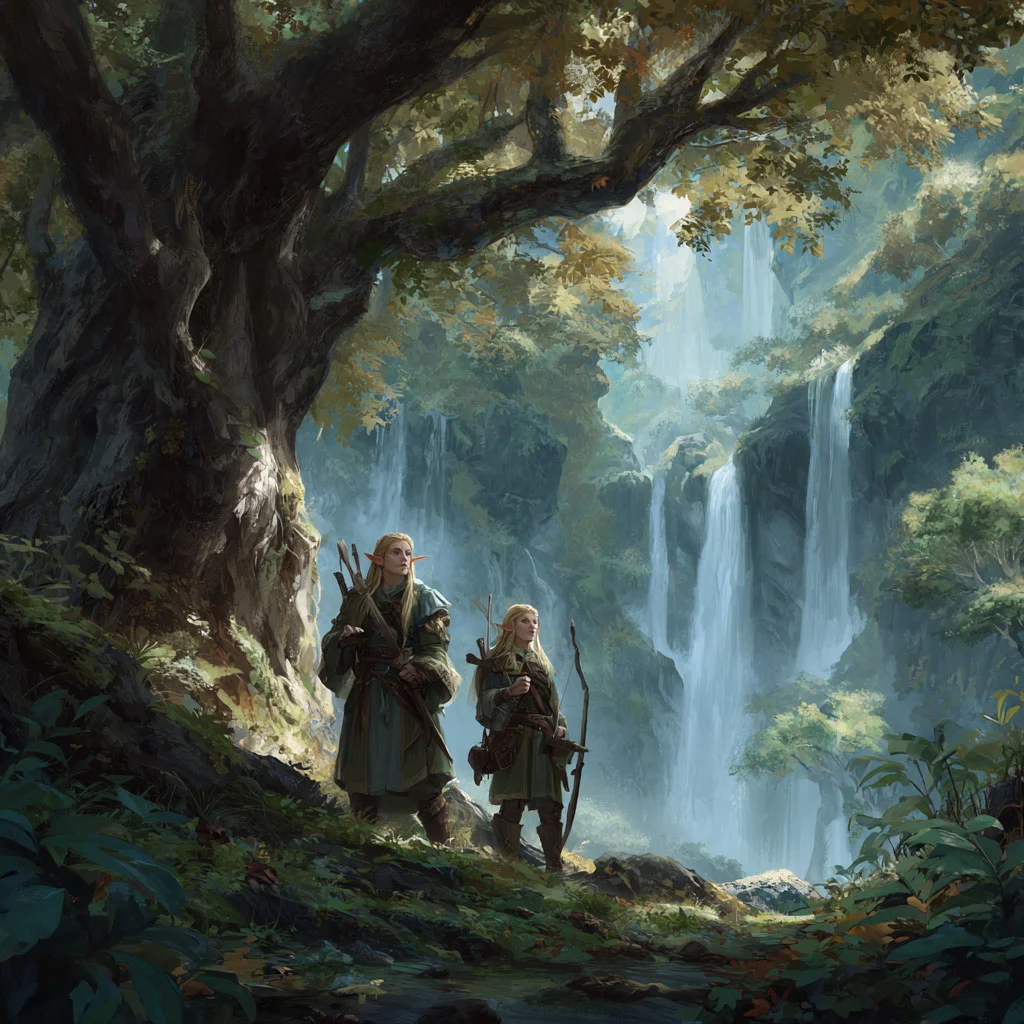
The far south-western reaches of Arcorar became known as Lythtlorn, the Wolf Woods. Unlike the more formal and powerful elven realms to the north and east, Lythtlorn was never clearly a single kingdom. It may have been no more than a loose network of semi-independent elven tribes and communities sharing the same broad forest homeland.
Over time, the Great King Forest began to fragment. Monster attacks, wildfires, and erosion all helped break the continuity of the woods, leaving Lythtlorn more isolated. Its elves increasingly turned inward, paying less attention to the affairs of Cormanthyr or to the rising human power of Netheril, which began to dominate the lands north of Lythtlorn from 3859 BDR onward.
Thauglor and the Birth of Cormir
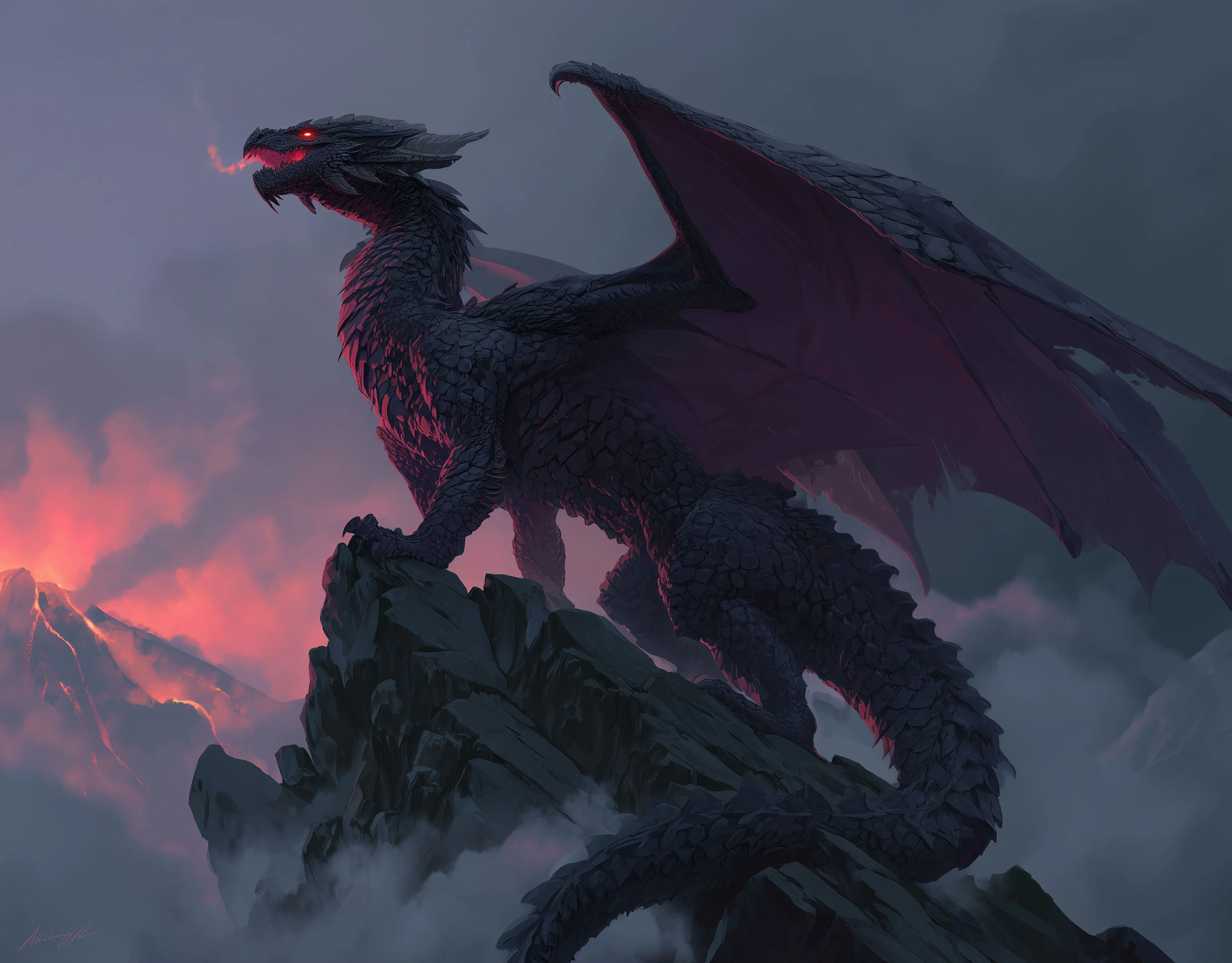
The greatest threat to Lythtlorn’s south-western marches was the ancient black dragon Thauglorimorgorus, better known as Thauglor. So old was the beast that his scales had turned a deep purple, winning him the title of the Purple Dragon. Though a black dragon by kind, Thauglor was remembered as unusually bound to his own harsh sense of honor.
In 400 BDR, the elven warrior Iliphar Nelnueve confronted Thauglor but quickly realized he was outmatched and wisely avoided battle. He returned in 205 BDR and defeated the dragon by means of what later lore called a Feint of Honour. With Thauglor broken, the elves secured full command of Lythtlorn’s western lands. Iliphar was declared ruler of that region and took the title Lord of Sceptres. The land thereafter became known as Cormir, the Forest Kingdom.
Even then, it is uncertain whether Cormir was truly a formal kingdom or merely a loose confederation of allied elven communities. But in that name lies the first clear root of the realm that would later become Cormyr.
The Coming of Humans to Cormyr
The Fall of Netheril (339 BDR)
A turning point in the history of the Heartlands came with the destruction of the mighty human empire of Netheril in 339 BDR.
The catastrophe known as Karsus’ Folly occurred when the Netherese archwizard Karsus attempted the impossible: using magic to transform himself into a god. His spell briefly succeeded but immediately destabilized the very structure of magic itself. The magical backlash destroyed Netheril’s floating cities, devastated vast regions of Faerûn, and killed hundreds of thousands—perhaps even millions.
The crisis threatened the destruction of the Weave, the foundation of all magic in the world. To prevent this, the goddess of magic Mystryl sacrificed herself, restoring the Weave but ending her own existence in the process.
The fall of Netheril sent waves of refugees fleeing across Faerûn, and many of these displaced humans eventually reached the forests and lands surrounding Cormanthyr and Cormir.
Human Refugees and Elven Resistance
The elves of Cormanthyr and Cormir were still powerful during this era and initially resisted attempts by humans to settle within their lands. The forests remained firmly under elven control.
However, the chaos spreading across the wider world soon forced even greater migrations westward. Two major conflicts contributed to this growing pressure:
The devastating magical wars between Narfell and Raumathar, which peaked around 160–150 BDR
The rise of the orc empire of Vastar around 200 BDR
Both events displaced large populations. Waves of refugees gradually pressed toward the forests of Cormanthor, seeking protection and new lands.
Human leaders eventually petitioned the Coronal of Cormanthor, asking permission for humans to settle in lands surrounding the great forest.
The Standing Stone and the Birth of Dalereckoning (1 DR)
In 1 DR, the Coronal agreed to allow humans to settle the lands around the Great Forest of Cormanthor—the new name for the ancient Arcorar.
To mark the agreement between humans and elves, a great monument known as the Standing Stone was raised.
This event became so significant that it marked the beginning of a new calendar: Dalereckoning (DR).
Human settlement across the region increased dramatically after this point, though the heart of the forest itself remained under elven rule.
Baerauble Etharr and the Legacy of Netheril
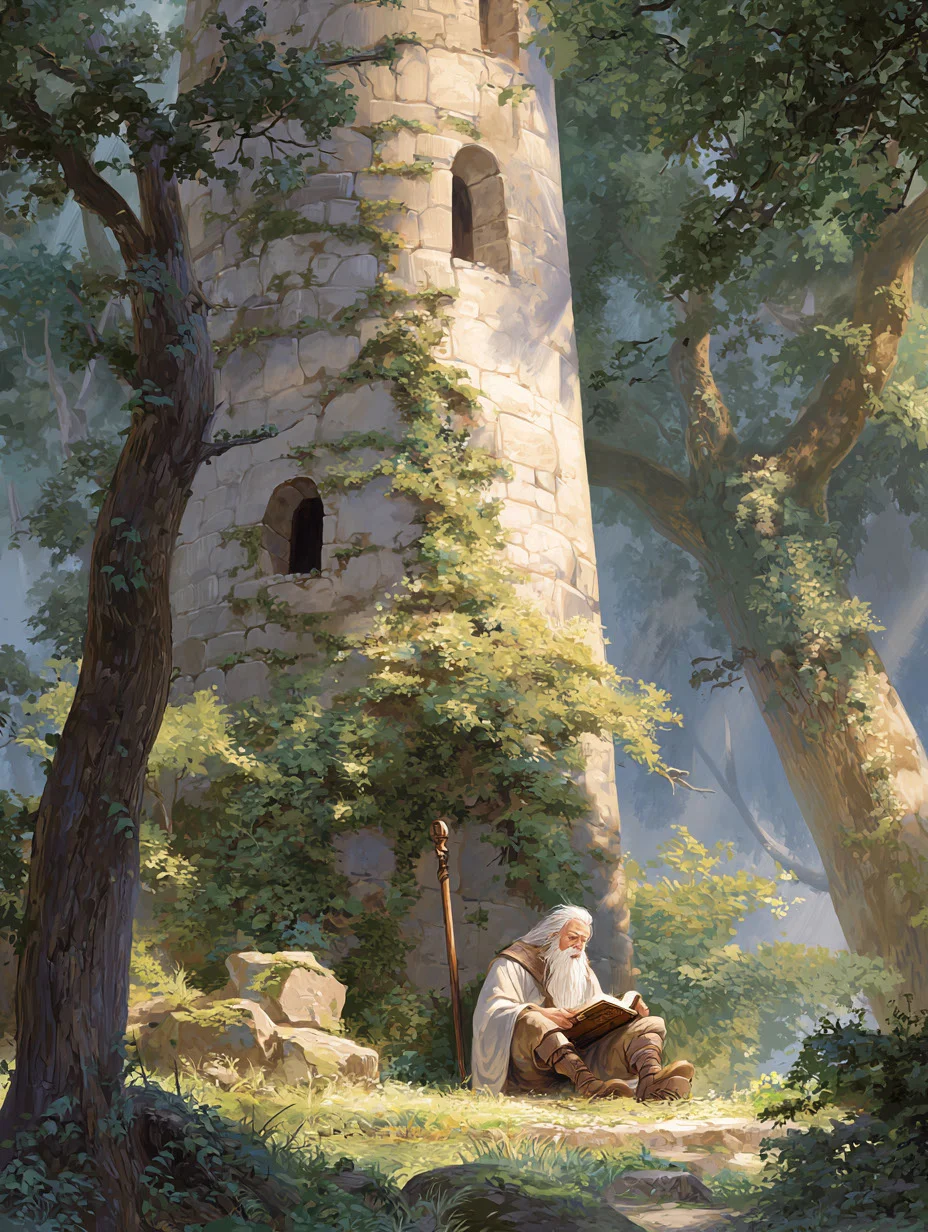
Among the refugees who fled the collapse of Netheril were the parents of a human mage named Baerauble Etharr, who was born in 116 BDR.
Etharr inherited much of the magical knowledge and historical lore of Netheril and devoted much of his life to preserving and teaching that knowledge.
In 75 BDR, he traveled south into Lythtlorn, where he was captured by bandits. His fate might have ended there had he not been rescued by elves from Cormir.
The elves brought him before Iliphar Nelnueve, the Lord of Sceptres. Recognizing the usefulness of a human scholar familiar with human customs and magic, Iliphar offered Etharr sanctuary and later appointed him as an adviser on human affairs.
Etharr’s presence would later prove important when humans began settling the region in earnest.
The Founding of Suzail (6 DR)
Far to the east, the human city of Lyrabar had been founded in 135 BDR by refugees from the fallen realm of Jhaamdath. Although the city survived repeated orc attacks with the help of powerful magic and nearby dwarven settlements, the strain of constant warfare eventually became unbearable.
In 6 DR, a group of settlers led by the Obarskyr family abandoned Lyrabar and migrated westward to the Lake of Dragons.
Landing along the northern shore of the lake, they established a small fishing village named Suzail.
The location proved ideal. Within two decades Suzail had grown from a village into a prosperous town and then into a small but thriving city protected by strong defensive walls.
The surrounding forest was cleared to make room for expansion, and timber from the woods helped construct a growing fishing and trading fleet.
The Elves Withdraw
The rapid growth of Suzail alarmed the elves of Cormir, who feared that human expansion would eventually swallow the ancient forest lands.
War seemed possible.
Instead, Iliphar Nelnueve made a historic and far-sighted decision. Recognizing that human settlement could no longer be stopped entirely, he negotiated an agreement with the Obarskyrs.
Iliphar agreed to cede the lands between the Lake of Dragons and the Storm Horn Mountains to the humans, on one condition: that part of the ancient forests would always be preserved.
Lord Faerlthann Obarskyr accepted the agreement, and the elves withdrew eastward to the deeper forests of Cormanthyr.
Baerauble Etharr chose to remain among the humans, becoming the magical adviser to Faerlthann and the new human settlement.
The Birth of Cormyrean Magic and the War Wizards
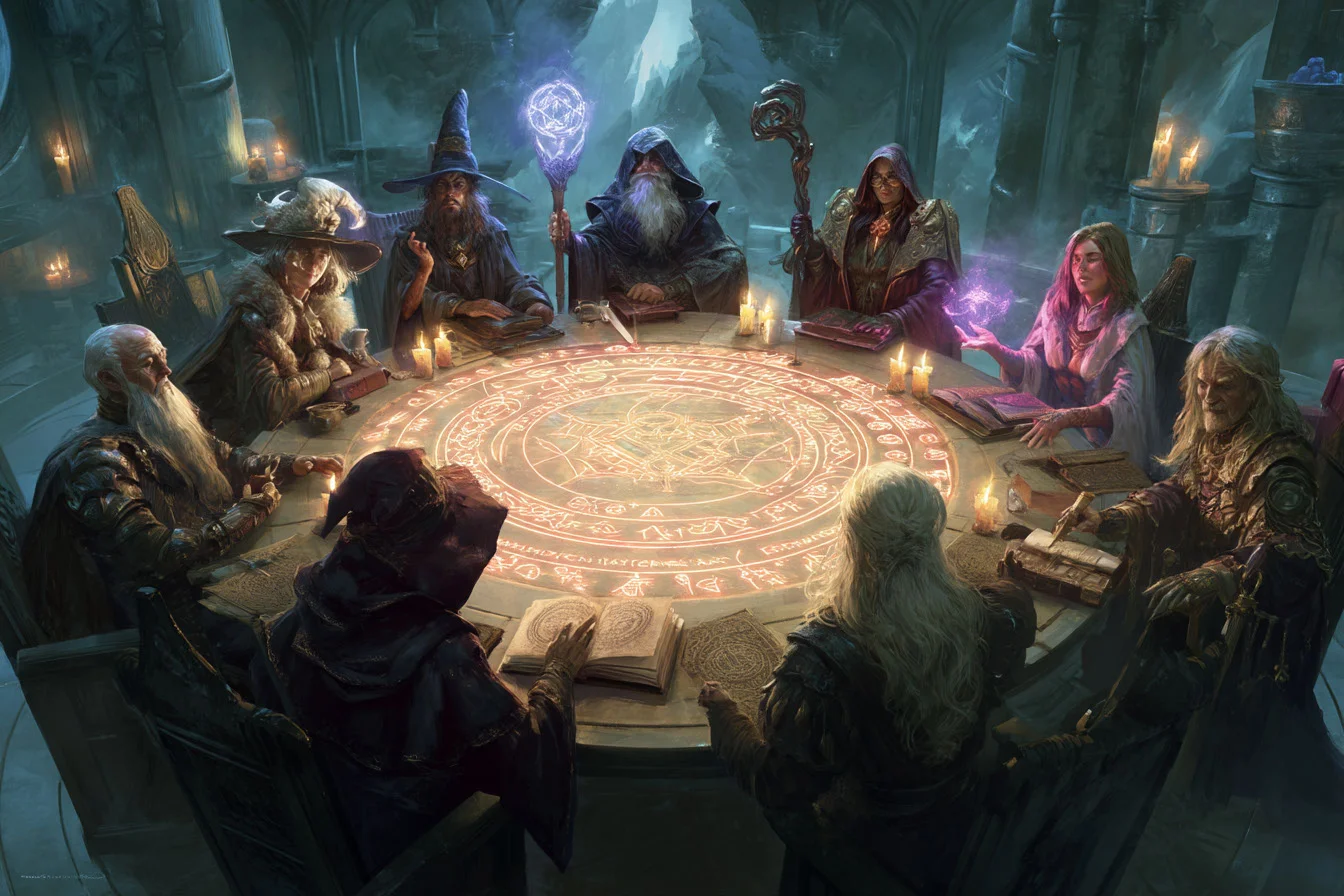
Etharr began training human mages in the disciplined battle-magic traditions that had survived from Netheril.
His teachings eventually led to the formation of the Council of Mages of Cormyr in 70 DR, an organization that would evolve into the legendary War Wizards of Cormyr.
This institution would become one of the most important pillars supporting the future kingdom.
The Founding of Cormyr (26 DR)
The Birth of the Forest Kingdom
By the early decades of Dalereckoning, the settlement of Suzail had grown into a thriving town on the northern shores of the Lake of Dragons. Trade expanded rapidly, forests were cleared for farmland, and human communities spread inland.
In 26 DR, the human realm formally declared itself the Kingdom of Cormyr, adopting the Purple Dragon as its royal symbol. The emblem honored the ancient dragon Thauglorimorgorus, whose defeat by Iliphar Nelnueve had earlier secured the land for settlement. The dragon’s image became both a symbol of the land’s past and the strength of the new kingdom.
The Obarskyr family ruled the young realm from Suzail, establishing a hereditary monarchy that would guide Cormyr through centuries of turmoil and growth.
The Annexation of Marsember into Cormyr
Shortly after the kingdom’s founding, Cormyr moved to secure the surrounding coastline. The nearby port of Marsember, which had existed as an independent city-state along the eastern shores of the Lake of Dragons, was annexed into the young kingdom.
Marsember quickly became Cormyr’s second great city and an important harbor for maritime trade. While Suzail remained the royal capital, Marsember developed into a bustling port filled with canals, docks, and merchant houses.
From this point forward, the two cities would share a long history of cooperation and rivalry, each vying for influence within the kingdom.
The Early Kingdom and Expansion
Following the annexation of Marsember, Cormyr’s borders expanded inland across the fertile lands north of the Lake of Dragons. Settlers established farms, villages, and small towns across the countryside.
The land proved well suited to agriculture, and the kingdom’s prosperity grew rapidly. Trade routes began linking Suzail with other settlements across the Heartlands, while the surrounding forests continued to provide timber and other resources.
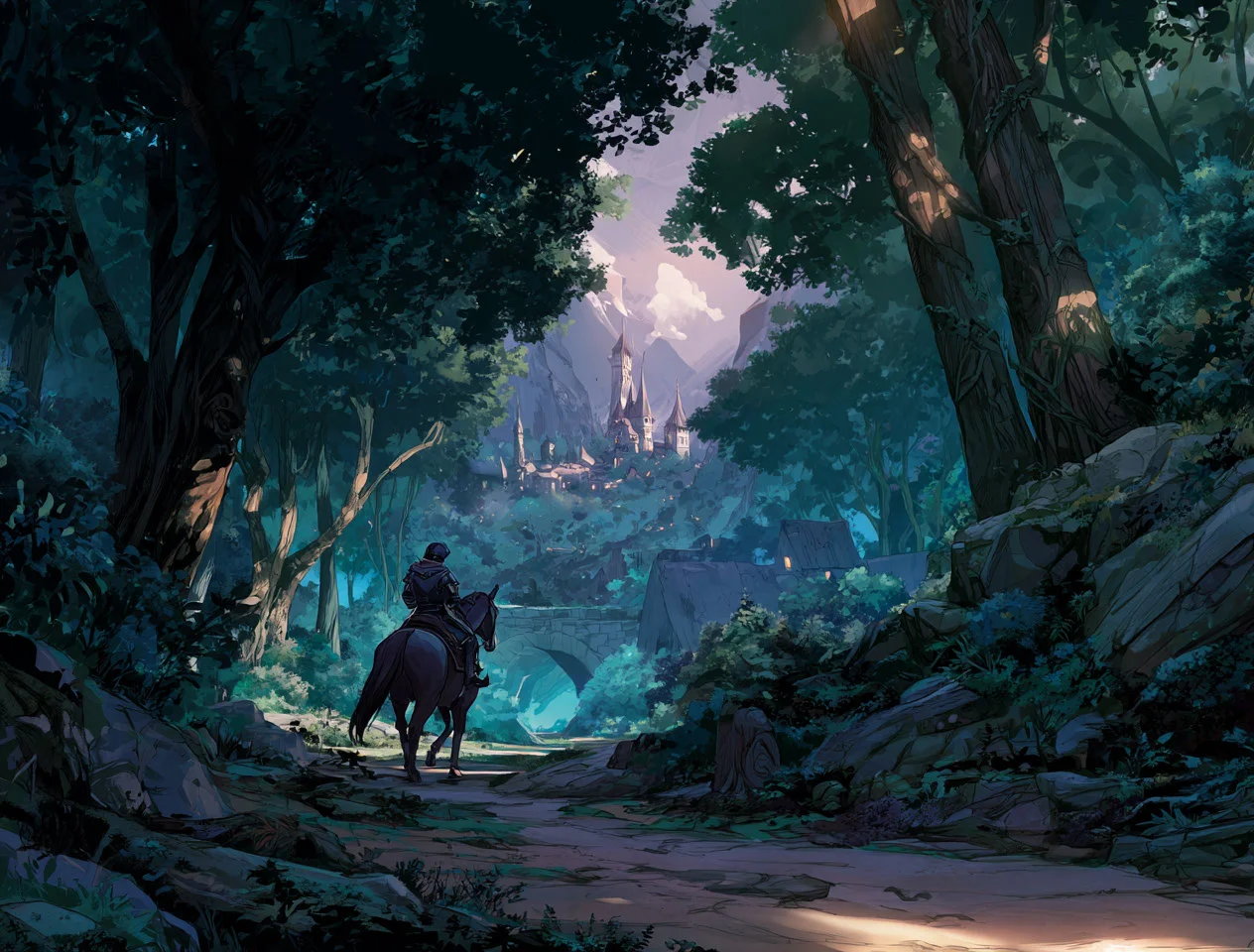
At the same time, the agreement with the elves ensured that parts of the ancient woodland would remain protected. The surviving forests—particularly what later became known as the King’s Forest—were preserved as reminders of the land’s ancient elven heritage.
The Early Monarchy and Political Instability
Despite its early success, the first centuries of Cormyr’s history were far from stable.
In the first four hundred years of the kingdom’s existence, no fewer than fifty-two rulers sat upon the Dragon Throne. The Obarskyr dynasty was plagued by plots, conspiracies, assassinations, and internal disputes among the nobility.
Some kings died young or fell in battle. Others were overthrown or driven mad by the pressures of rule. One particularly notorious monarch, Boldovar the Mad, had to be forcibly removed from power by the kingdom’s archmage and imprisoned for the safety of both himself and the realm.
The early centuries of Cormyr might easily have ended the young kingdom entirely if not for two institutions that remained fiercely loyal to the crown.
The Purple Dragons and War Wizards
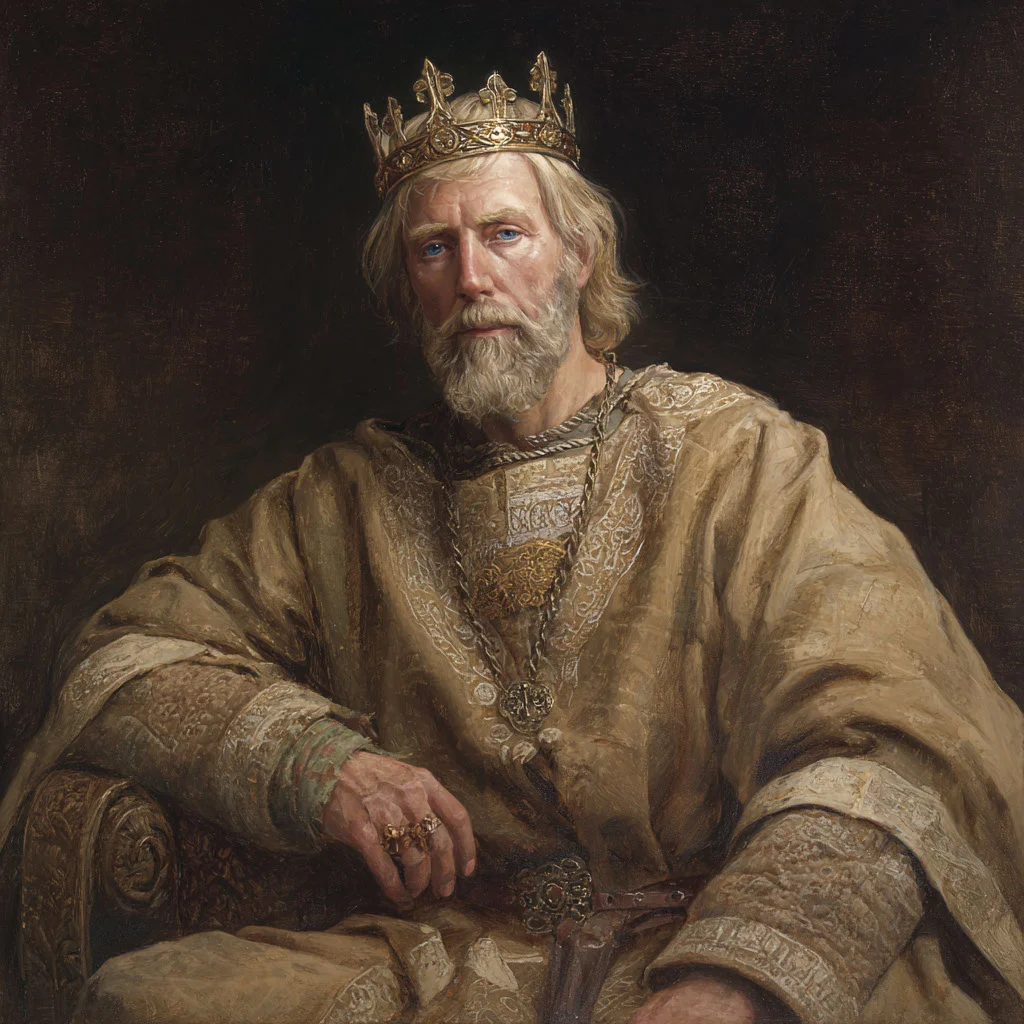
The first was the royal army, known as the Purple Dragons. This disciplined force served as the kingdom’s standing military and defended Cormyr against both external threats and internal rebellions.
The second pillar of stability was the growing organization of royal mages descended from the teachings of Baerauble Etharr. These wizards eventually evolved into the famed War Wizards of Cormyr, magical advisers and defenders of the crown.
Together, the Purple Dragons and War Wizards prevented rival noble houses from seizing the throne during times of weakness.
Their loyalty ensured that the Obarskyr dynasty survived the turbulent early centuries of Cormyr’s history.
The Rise of the Great Kings
Azoun I and the Defeat of the Shoon Imperium (376–425 DR)
Cormyr first emerged as a significant power in Faerûn during the time of Azoun I Obarskyr.
In 376 DR, while still serving as Crown Prince, Azoun led Cormyrean forces against the armies of the powerful Shoon Imperium on the Fields of the Dead. The year before, the Imperium had expanded aggressively into the Western Heartlands, conquering large territories and demanding tribute from merchants travelling through lands they now claimed.
Azoun realized that Shoon had overextended its forces and could not realistically hold so much territory. Acting decisively, he launched a campaign that destroyed the invading armies.
The victory did not end there. Azoun pushed south into Shoon territory itself, sacking the Calishar Emirates of Amin and Tethyr. He even considered marching on the imperial capital of Shoonach, but word reached him that a large orc horde threatened Cormyr’s borders, forcing him to return home.
Azoun later became king in 391 DR and ruled until 425 DR, earning recognition as one of the first truly great monarchs of Cormyr. During his reign he also established trade relations with Chondath, opening valuable southern markets to Cormyrean merchants through the Vilhon Reach.
The Long Reign of Galaghard I, II, and Draxius (480–875 DR)
One of the strangest episodes in Cormyr’s royal history began with the rise of Galaghard I.
Galaghard became king in 480 DR, but his reign soon took an extraordinary turn. In 514 DR, he staged his own death and reappeared claiming to be his own son, ruling as Galaghard II until 554 DR.
When his sons eventually attempted to overthrow him, Galaghard defeated them and killed the conspirators. He then adopted the identity of his youngest son, ruling openly as Draxius the Undying.
Through the assistance of a powerful High Mage, Galaghard maintained his life through magical means and continued ruling until 875 DR. Only when the magic sustaining him failed did his life finally end.
In total, Galaghard ruled Cormyr for nearly four centuries, although official histories record his rule as three separate reigns.
The Withlords of the Wyvernwater (900 DR)
Another major crisis struck Cormyr in 900 DR, when a group of powerful necromancers known as the Withlords of the Wyvernwater raised an army of undead.
The Withlords sought to overthrow the kingdom, but their ambitions were crushed when King Galaghard III, supported by the Purple Dragons and War Wizards, defeated their forces in battle.
Cormyr also received assistance from a contingent of elves, demonstrating that old alliances between the forest kingdoms and the young human realm had not completely faded.
The defeat of the Withlords helped reinforce Cormyr’s stability and strengthened its reputation as a resilient kingdom capable of overcoming magical threats.

Stabilizing the Realm: Cormyr after 900 DR
In the centuries following these conflicts, Cormyr’s borders gradually stabilized into something close to their modern shape. However, the kingdom never enjoyed complete peace.
To the north, the steady expansion of the Great Desert of Anauroch pushed monstrous tribes southward into the Goblin Marches and Stonelands. These lands became a constant frontier of raids and skirmishes. Time and again the Purple Dragons and War Wizards defeated the invading creatures, only for new tribes to emerge and threaten the borders again.
To the east, Cormyr faced growing competition from human settlements that eventually formed the nation of Sembia in 913 DR. Thanks to its central location along the Inner Sea, Sembia rapidly grew richer and more populous than Cormyr.
The two realms developed a relationship that was often tense and competitive. At times they fought border wars, while at other times they cooperated against mutual enemies such as orc tribes, the Zhentarim, and the Cult of the Dragon. This complicated relationship would shape Cormyr’s politics for centuries to come.
Threats on Every Frontier
The Rage of Dragons (1018 DR)
In 1018 DR, Faerûn was struck by one of the most terrifying magical events in its history: a Rage of Dragons. During such events dragons across the world are driven into uncontrollable madness, attacking settlements and rampaging across the countryside.
Cormyr suffered heavily during this crisis, as many dragons laired in the nearby Thunder Peaks and surrounding mountains. Villages and towns were threatened as the enraged beasts descended upon the realm.
The kingdom was rallied by Crown Prince Azoun II, who confronted and slew the ancient dragon Thauglor, the same Purple Dragon whose legend had long been tied to the origins of Cormyr itself. The defeat of the dragon helped restore order and strengthened the prestige of the royal family.
The Rebellion of Arabel (1050 DR)
The city of Arabel, one of Cormyr’s most important inland settlements, attempted to break away from royal authority during the mid–11th century.
In 1050 DR, Azoun II, now king, personally led the effort to restore order. Royal forces moved against the rebellious city and successfully retook it, ending the uprising and reaffirming the authority of the Dragon Throne over the northern reaches of the realm.
The episode demonstrated both the strategic importance of Arabel and the determination of the Obarskyr monarchy to maintain unity within Cormyr.
The Absorption of Esparin (1162 DR)
Cormyr continued to expand through both diplomacy and dynastic alliances.
In 1162 DR, the small neighboring kingdom of Esparin was absorbed into Cormyr through a marriage alliance. This peaceful annexation extended Cormyr’s influence eastward and brought its borders deeper into the Stonelands, strengthening the kingdom’s strategic position along its volatile northern frontier.
The Rise of Zhentil Keep and the Zhentarim
Throughout the 13th century, Cormyr observed the rise of a new and dangerous power far to the north: the city of Zhentil Keep on the Moonsea.
From this city emerged the sinister organization known as the Zhentarim, also called the Black Network. The Zhentarim were closely tied to the Church of Bane and other dark powers, including cults that worshipped beholders.
At first, Cormyr regarded the growing power of Zhentil Keep as a distant concern rather than an immediate threat.
The Seizure of Darkhold (1312 DR)
Cormyr’s view of the Zhentarim changed abruptly in 1312 DR.
That year the Zhentarim seized control of the fortress of Darkhold, located in the Far Hills west of Cormyr. Darkhold had once been an abandoned stronghold but had become the lair of a powerful lich-queen. The Zhentarim defeated the lich and her minions, removing a dangerous evil—but then claimed the fortress for themselves.
Under the command of the Zhentarim leader Sememmon, Darkhold became a powerful base of operations. Patrols from the fortress began harassing merchants and extorting local tribes, establishing Zhentarim influence throughout the surrounding region.
Although the presence of Darkhold posed a constant threat to Cormyr’s western borders, destroying the fortress would have required a massive military campaign against heavily defended magical fortifications. The kingdom judged that the cost of such an assault would weaken its defenses elsewhere.
As a result, Darkhold remained a persistent and dangerous irritant, looming on Cormyr’s western frontier.
Crisis and Triumph in the Late 14th Century
The Rebellion of Gondegal (1352 DR)
Cormyr faced one of its most serious internal crises in 1352 DR when a warrior named Gondegal launched a rebellion against the crown.
Beginning with a guerrilla campaign across the kingdom’s borderlands, Gondegal gradually gathered a force composed of mercenaries, dissatisfied Cormyrean nobles, and goblinoid tribes from the Goblin Marches and Stonelands. His army eventually seized the important northern city of Arabel, transforming it into the center of his rebellion.
Gondegal might have succeeded in igniting a wider uprising among the nobility who resented the authority of King Azoun IV, but he made a critical mistake. Instead of maintaining discipline, he allowed his soldiers to take their pay through looting and pillaging. Villages were burned, civilians were killed, and trade throughout the region was disrupted.
Even noble families who had previously been lukewarm in their support for the crown were outraged by these excesses. Many sent troops to support the royal army.
Realizing that his cause had collapsed, Gondegal fled Arabel by unknown means. The city surrendered soon afterward, and the rebellion ended.
The episode convinced Azoun IV that internal stability required greater attention to the concerns of the realm beyond Suzail. In the years that followed he worked to ensure that prosperity and royal favor extended more broadly across Cormyr.
The Dalelands War (1355 DR)
In 1355 DR, turmoil in neighboring lands once again drew Cormyr into war.
Lord Lashan Aumersair of Scardale launched an ambitious campaign to conquer the Dalelands. Backed by mercenary armies, Lashan invaded and occupied Harrowdale, Featherdale, and Tasseldale, before advancing toward the central Dales.
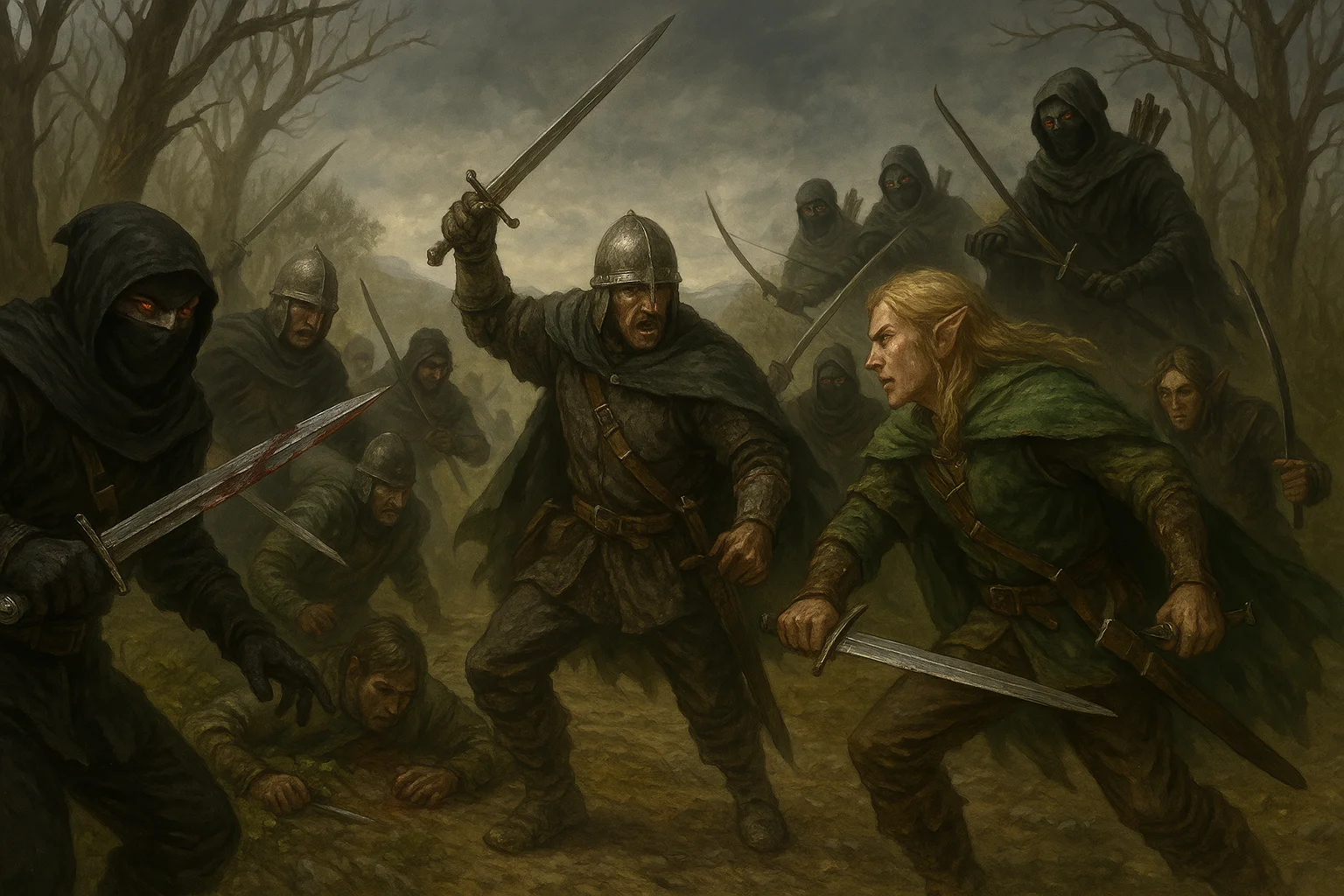
The other Dalelands united against him, and the two forces met in battle in the Dun Hills, where neither side could gain the advantage.
Cormyr soon intervened. Having recently helped defend the nearby town of Tilverton against orc attacks from the Stonelands, Cormyrean forces marched through Thunder Gap and joined the Dalelands armies. Their arrival tipped the balance.
At the same time, the city of Hillsfar liberated Harrowdale from the north while Sembian forces advanced from the south and blockaded the port of Scardale Town with their navy.
Facing overwhelming opposition, Lashan’s support collapsed and Scardale Town was occupied. Control of the city was later divided among the Dalelands Council, Sembia, Hillsfar, and Cormyr, ending the conflict.
The Time of Troubles (1358 DR)
Just two years later, Faerûn was thrown into chaos during the Time of Troubles, when the gods themselves were cast down into the mortal world.
Cormyr became the center of one of the crisis’s most dramatic events. The dark god Bane imprisoned the avatar of Mystra, goddess of magic, in the ruined Castle Kilgrave near Cormyr’s northern frontier.
A band of adventurers—including Kelemvor Lyonsbane, the thief Cyric, and the mage Midnight—rescued Mystra and attempted to return her to the heavens. However, when Mystra tried to ascend via a celestial stairway near the Storm Horn Mountains, she was confronted by Helm, who had been ordered to prevent any god from returning to the planes.
The two battled, and the weakened Mystra was slain.
The magical shockwave from her death created a region of chaotic magic across Cormyr’s northern frontier. This strange land became known as the Helmlands, an area plagued by wild and dead magic zones.
Mystra’s divine essence later passed to Midnight, who ascended as the new goddess of magic. Over time her followers worked to repair the magical damage caused by the catastrophe.
The Tuigan War (1359–1360 DR)
Soon after the Time of Troubles ended, a new threat arose from the distant east.
Yamun Khahan, leader of the Tuigan nomadic tribes of the steppes of Taan, united the tribes and launched a massive invasion across eastern Faerûn. His armies swept through Semphar and Khazari, even threatening the powerful empire of Shou Lung.
Eventually the Tuigan returned westward and invaded Faerûn again, moving through Thay and into Rashemen before pushing into Thesk.
King Azoun IV had encountered the Tuigan earlier during diplomatic meetings in Semphar and recognized their formidable military discipline and organization. Alarmed by their return, he called for a coalition army to stop them before they could devastate the Heartlands.
Despite skepticism from many rulers, Azoun succeeded in assembling a vast alliance. Armies arrived from across Faerûn, including forces from Sembia, the Dalelands, Waterdeep, Tethyr, and even the Zhentarim of Zhentil Keep, who dispatched troops under the orc general Vrakk. The dwarves of the Earthfast Mountains also joined the coalition.
In 1360 DR, the allied armies met the Tuigan on the Golden Way in Thesk. The first battle was costly and inconclusive, but Azoun devised a clever strategy for the second engagement.
Under cover of darkness, vast pit traps were dug across the battlefield and concealed with magic. When the Tuigan cavalry charged, their horses plunged into the pits and their formations collapsed. Allied dwarven and orcish forces struck the Tuigan flanks, turning the battle into a devastating defeat.
Both Yamun Khahan and his general Batu Min Ho were killed. Few Tuigan survived to return to the steppes.
The victory greatly enhanced Azoun IV’s reputation as a statesman and military leader throughout Faerûn.
The War of the Seven Scourges (1370–1371 DR)
Cormyr’s greatest crisis of the age came only a decade later.
A conspiracy among disaffected nobles nearly assassinated King Azoun IV, creating a succession crisis when some nobles refused to accept Crown Princess Tanalasta as heir.
At the same time the realm was ravaged by a mysterious blight spreading from the north, accompanied by increased monster attacks. Eventually it was discovered that six demonic creatures known as ghazneths had returned to destroy the kingdom.
The struggle to defeat them became known as the War of the Seven Scourges.
During the conflict, the royal mage Vangerdahast, Princess Tanalasta, and her sister Alusair worked to uncover how the ghazneths could be destroyed. Thousands of soldiers and civilians died before the threat was finally overcome.
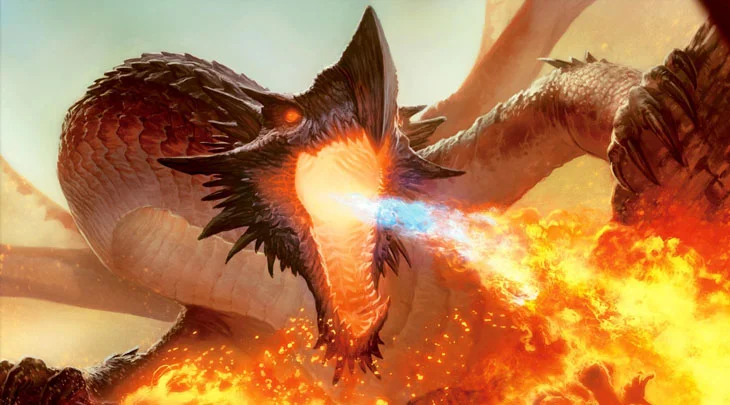
During the fighting, the ancient red dragon Nelavara, long imprisoned beneath Cormyr, was accidentally released and joined the devastation.
The war ended only after the final ghazneth was destroyed and Nelavara slain—but the victory came at terrible cost.
Both King Azoun IV and Princess Tanalasta died during the final battles. Tanalasta gave birth to a son shortly before her death.
The Steel Regent and Cormyr in 1372 DR
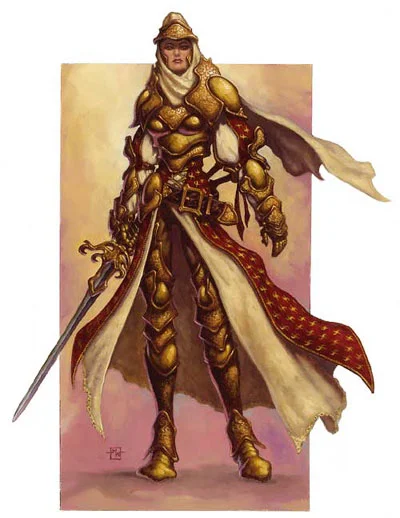 With the heir still an infant, Princess Alusair Nacacia Obarskyr assumed control of the kingdom as Steel Regent, ruling in her nephew’s name.
Supported by Vangerdahast, the War Wizards, and the Purple Dragons, Alusair now governs a kingdom recovering from enormous losses.
Many towns and villages across Cormyr suffered destruction during the war, and the nobility remains divided between supporting the realm’s recovery and pursuing their own ambitions.
Yet Cormyr has endured crises before. Throughout its history the kingdom has repeatedly faced invasion, rebellion, and magical catastrophe—only to emerge stronger.
As of 1371–1372 DR, the Forest Kingdom remains one of the most resilient and influential realms in Faerûn.
